


To reclaim your business sovereignty, you must install a resilient decision architecture, set hard operational drift bumpers, and master the visceral discomfort of radical acceptance.
The room is quiet, save for the hum of a laptop fan. A consultant with a five-year-old firm sits with a tight chest, staring at a chatbot interface. He has fed five years of financial losses, client contracts, and operational logs into the AI, asking it to run one more simulation. He is waiting for the machine to give him absolute certainty that it is okay to stop, to pivot, or to close the doors. His body is exhausted, but his mind is hyperactive, spinning a complexity trap of endless variables to delay the one thing he actually needs: a clean, sovereign choice.

The January Gym Card: Why Decisions Dissolve Under Stress
We have all witnessed the phenomenon of the January gym card. On the first of the month, fueled by a temporary surge of inspiration, you purchase an annual membership. By the twenty-eighth, the gym is empty, and the membership card sits forgotten in a desk drawer. In the world of independent consulting, we do the exact same thing with our strategic choices. We decide to raise our prices, narrow our niche, or walk away from toxic clients, only to renegotiate those very choices the moment our cash flow dips or our anxiety spikes.
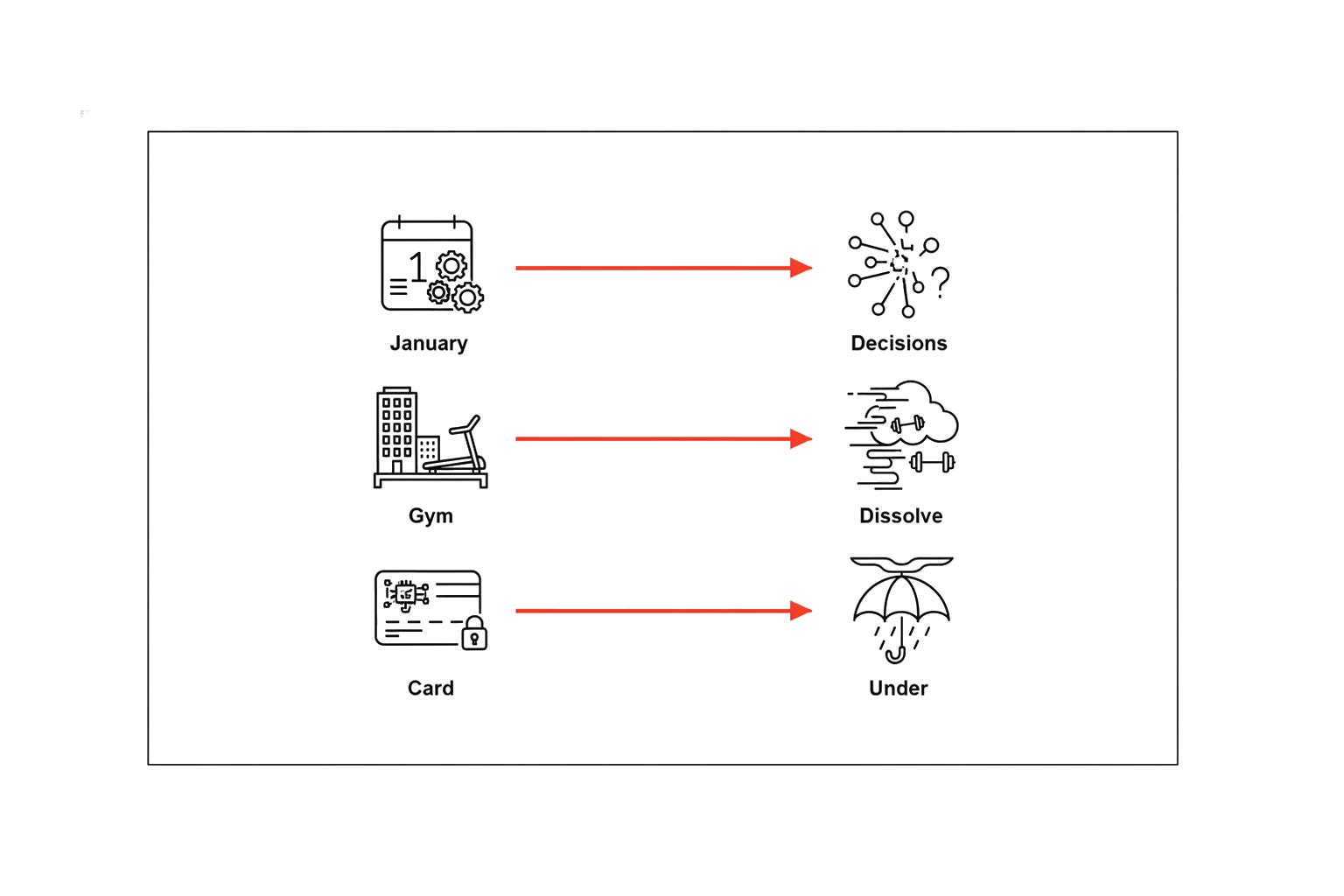
This constant renegotiation is not a failure of willpower; it is a failure of structure. When high emotional stress hits, the prefrontal cortex—the seat of executive function—loses its grip, and the autonomic nervous system defaults to familiar safety patterns. Without a robust decision architecture in place, your business choices will always leak when you are under pressure.
To prevent this, high-performing operators use a structured framework called an Architecture Decision Record (ADR). This is a simple, four-line log that documents the context, the decision, the expected impact, and a hard review date. By committing the architecture of your choice to paper, you create a structural anchor that prevents you from renegotiating the terms of your business when your nervous system is in a state of alarm.
"A decision that holds is not a January gym card. If you do not write the architecture to sustain it when the emotional tide is high, you are simply buying a temporary relief from your own anxiety."
Go deeper 👉 : How to Move Beyond Wounds and Humiliation
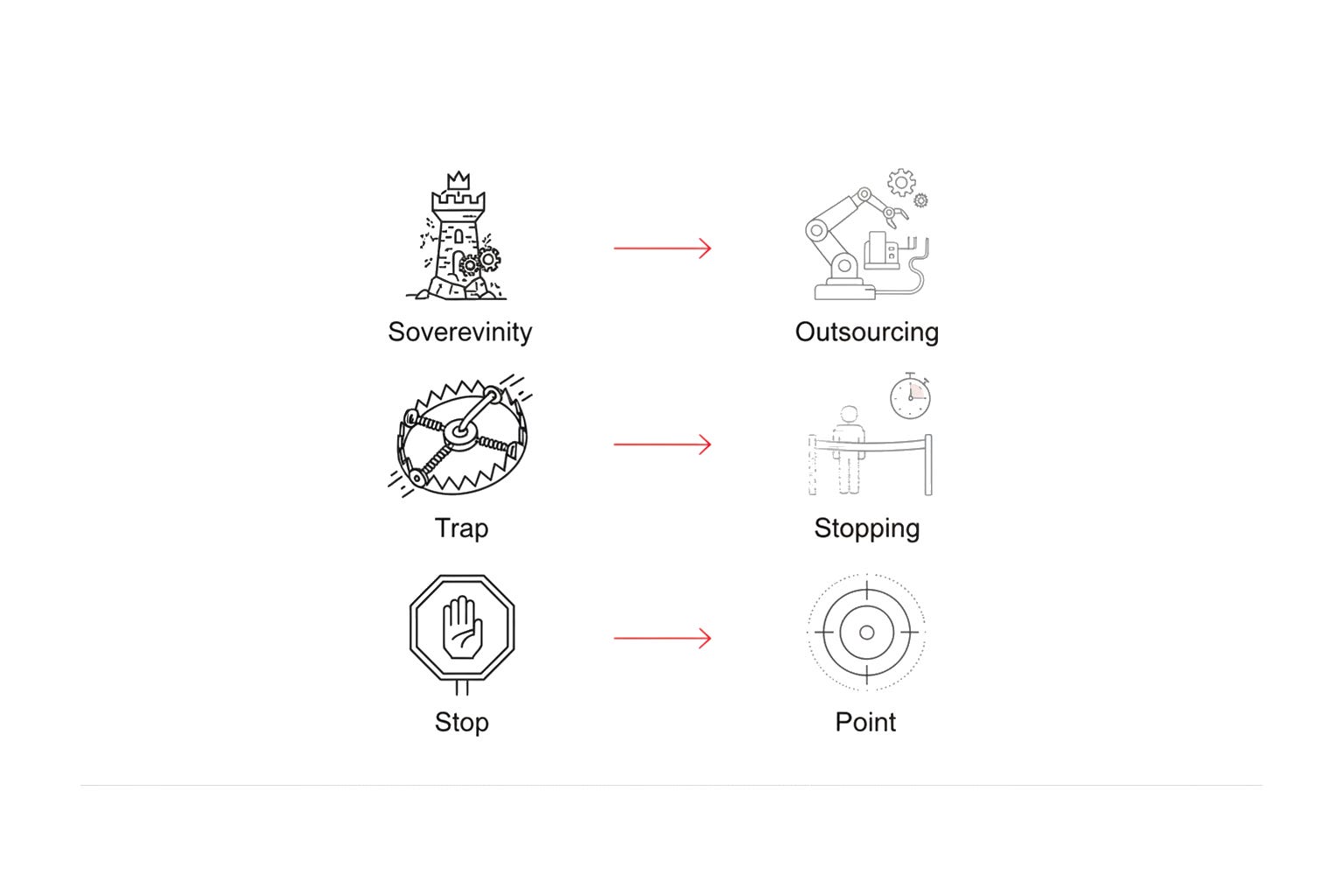
The Sovereignty Trap: Stop Outsourcing Your Stopping Point
When we feel stuck, our immediate instinct is to look outward for a savior. We hire another coach, buy another course, or—increasingly—spend hours prompting AI models to tell us what to do. We tell ourselves we are being thorough, but we are actually outsourcing our operational sovereignty. We are looking for a validator that will guarantee success so we don't have to carry the weight of potential failure.
Go deeper 👉 : Are You Still Far From What You Said You Would Build?
This is a dangerous illusion. No external model, mentor, or market research report can ever feel the physical sensation of your shrinking runway. When you refuse to make the call yourself, you enter a state of chronic executive drift. You allow your business to be governed by default rather than design.
To reclaim your sovereignty as the true boss of your business, you must establish clear drift bumpers. These are non-negotiable boundaries—financial, temporal, or energetic—that automate your next move. You do not wait for a machine to tell you when to stop or when to pivot. You define the bumper in advance, and when the business hits that line, the decision is already signed.
Paying the Price of Permission: The Two Invoices of Choice
Many independent professionals love the theatricality of decision-making. They declare bold new directions, write manifestos, and talk about "stepping into their power." Yet, nothing changes in their day-to-day operations. This is because they want the benefits of a new choice without paying the price of the permission they just granted themselves.
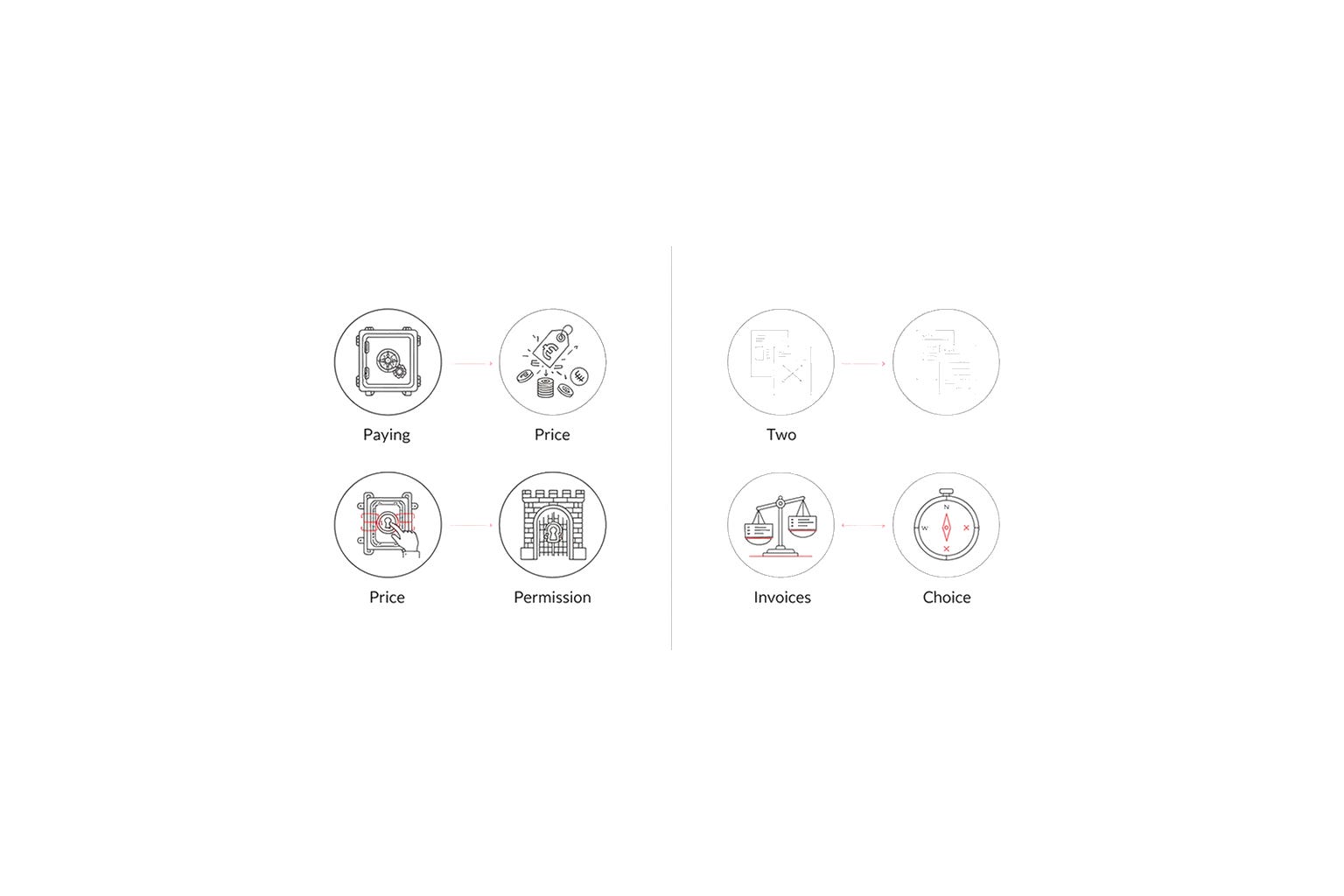
Every real choice requires a micro-death. To choose one path is to actively kill off all other competing options. If you give yourself permission to build a premium consulting practice, you must pay the price of letting go of low-paying, high-maintenance clients who keep you safe but exhausted. If you refuse to pay that price, your permission remains a hollow intellectual exercise.
I remember going to a lake with my mother when I was younger. She desperately wanted to see the water, but when we arrived, the car park was completely full. Instead of finding another way or walking a bit further, we simply didn't go. We paid the price of not giving ourselves the permission to experience what we wanted, just to avoid the minor inconvenience of the crowd. In business, you will pay an invoice either way: you can pay the sharp, immediate price of change, or you can pay the slow, agonizing tax of experiential avoidance. Only one of those invoices leads to growth.
"The real price of permission is not the moment you grant it to yourself. It is your willingness to pay the operational consequences of that choice on a rainy Tuesday morning when everyone is watching."
Radical Acceptance: Turning Sensation into Raw Data
When a consultant is afraid of closing a deal or shutting down a failing offer, the fear does not live in their spreadsheet. It lives in their body. It is the tight knot in the stomach, the shallow breathing, and the sudden urge to clean the desk instead of making the hard call.
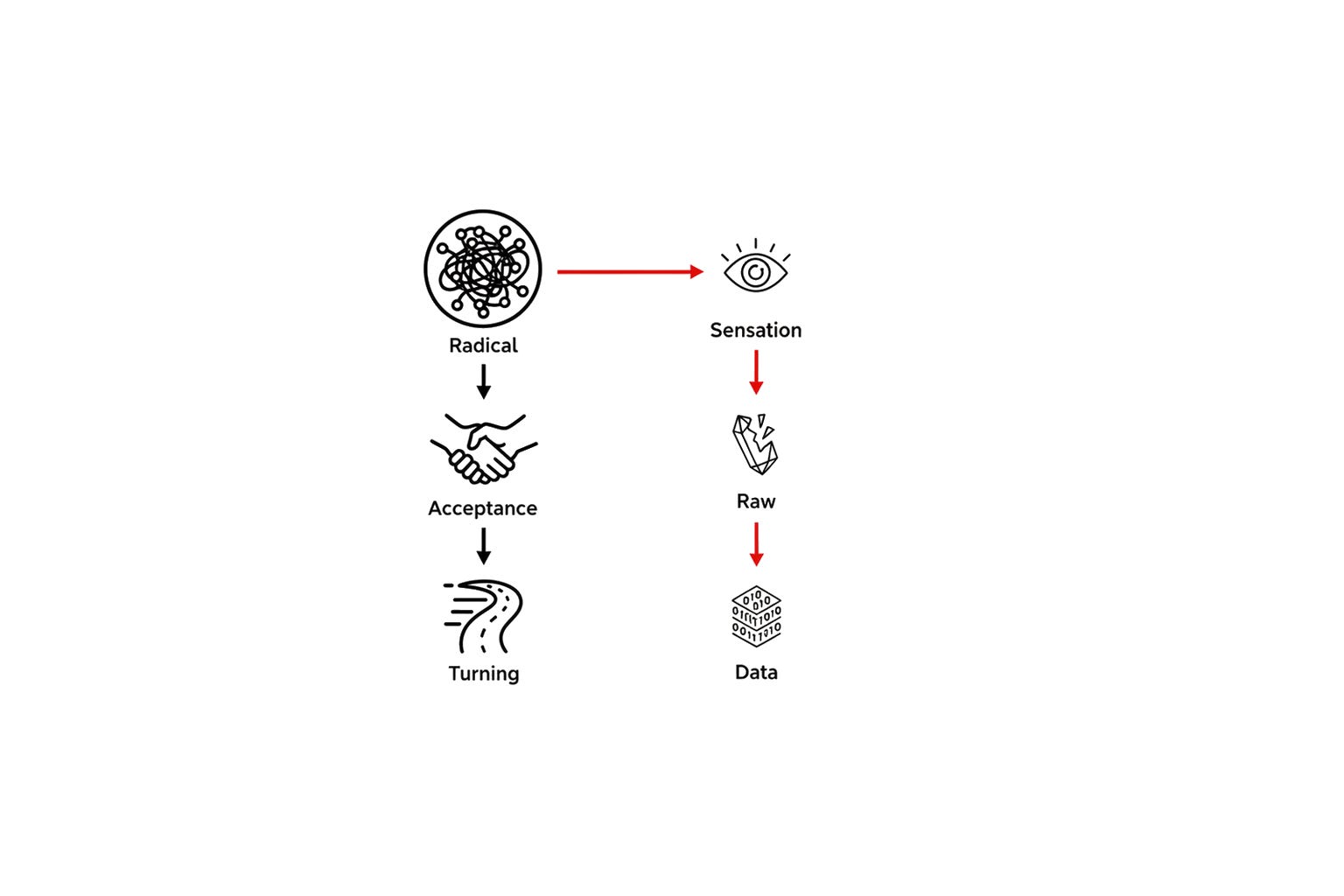
If you do not develop your capacity for interoception—the ability to perceive and interpret your internal bodily signals—you will constantly mistake physical discomfort for a business warning. You will look at a perfectly viable pivot and reject it, not because it is a bad strategic move, but because your body is trying to escape the temporary friction of the transition.
Radical acceptance means sitting with the rejected parts of your experience completely. If you feel worthless because a client rejected your proposal, do not run to your laptop to rewrite your entire website. Sit with the physical sensation of that worthlessness for ninety seconds. Let the chemical surge of the emotion run its natural course through your nervous system. When you allow the sensation to simply be raw data rather than a verdict on your identity, you reclaim the operational freedom to make your next move.
Your Move This Week
Copy the YAML block into Claude, ChatGPT, or your preferred AI.
Replace each placeholder with your situation this week.
Paste the three numbered returns into your notes.
### INSTALLS
1. Build a four-line Architecture Decision Record (ADR) to prevent emotional renegotiation
of your business choices.
2. Reclaim operational sovereignty by setting hard drift bumpers instead of outsourcing
decisions to external models or validators.
3. Practice radical acceptance of somatic discomfort to stop experiential avoidance from
draining your business runway.
### YOU ARE
An independent consultant or coach whose business is plateauing or losing cash, currently
caught in analysis paralysis, using complex planning to delay a painful but necessary
pivot.
### MY SITUATION
[ROLE]
[LOAD]
### ASK 1
Write one four-line ADR for a critical business choice you need to make this week.
- Return: The context, the decision, the expected impact, and the hard review date.
### ASK 2
Identify one area where you are currently outsourcing your sovereignty to an external
validator (an AI model, a mentor, or endless market research).
- Return: The specific validator you are using as a shield and the hard drift bumper you
will establish to reclaim the decision.
### ASK 3
Name one business action you are avoiding because of the emotional discomfort it brings.
- Return: The specific somatic sensation you experience when thinking about this action,
and your commitment to stay with that sensation for 90 seconds without running away.
### RETURN ONLY
1. [ADR]
2. [Sovereignty Leak]
3. [Experiential Avoidance]